
Damaged Skin Barrier? Here’s How to Fix It (Simple & Realistic Guide)
- nextversion

- Apr 8
- 3 min read

Your skin suddenly feels tight, burns when you apply products, or breaks out out of nowhere? Chances are: your skin barrier is damaged. This happens more often than you think, especially if you’ve been using a lot of active ingredients.
The good news is: your skin can repair itself — you just need to give it the right conditions.
Your skin barrier is basically your body’s natural shield. It keeps moisture in and harmful things like bacteria, pollution, and irritants out. When this barrier is weakened, your skin becomes sensitive, dry, and unpredictable. That’s why things that used to work suddenly start to sting or cause breakouts.
There are a few clear signs that your skin barrier is struggling.
You might notice redness, irritation, or a burning feeling — even from products you’ve used for years. Your skin may feel dry, flaky, or tight, especially after cleansing. Some people also experience sudden breakouts or increased sensitivity to weather like wind, cold, or sun.
A damaged barrier isn’t just dryness — it can also show up as acne.
The first and most important step is to do less. If your skin is irritated, stop using exfoliants like AHAs or BHAs, as well as retinol and other strong actives for at least one to two weeks. This might feel counterintuitive, especially if you’re dealing with acne, but your focus right now shouldn’t be treatment — it should be recovery.
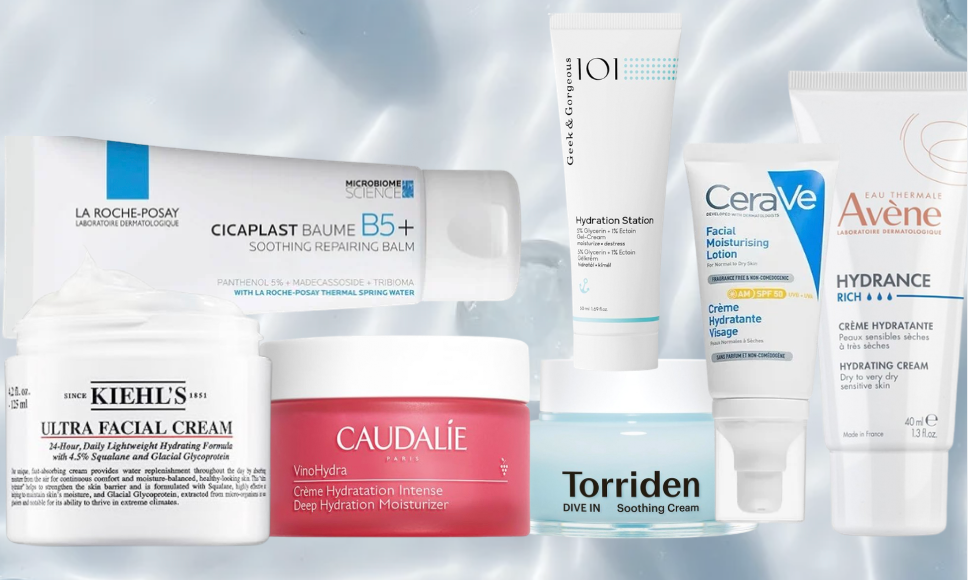
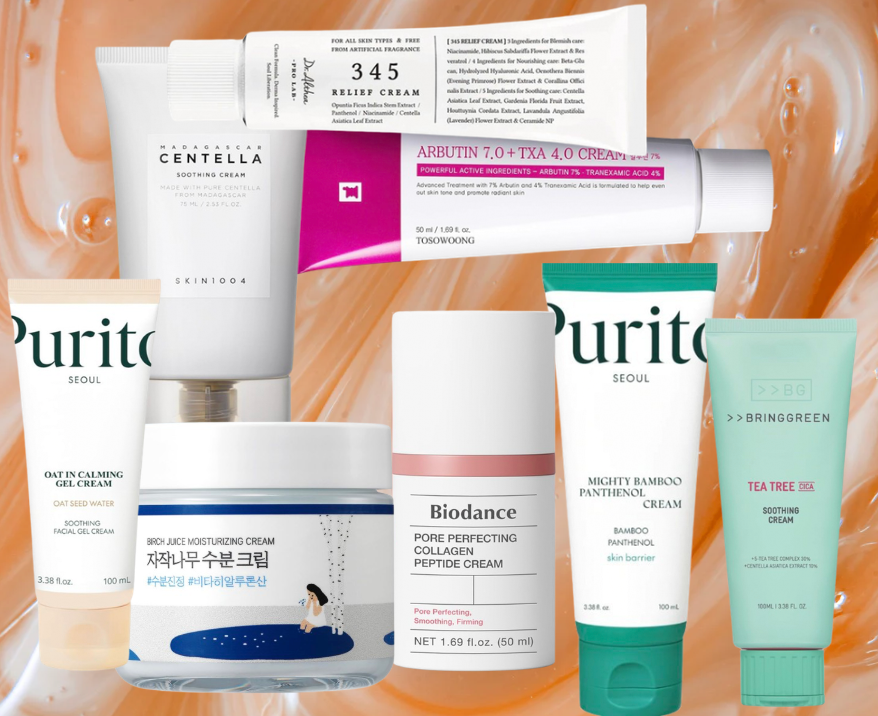
Instead, shift your attention to hydration and nourishment. Your skin needs both water and lipids to repair itself. Ingredients like hyaluronic acid and glycerin help draw moisture into the skin, while ceramides and squalane help lock that moisture in and rebuild your barrier. This combination is key if you want your skin to heal properly.
You can also support your skin with barrier-repair ingredients. Ceramides help restore the structure of your skin, niacinamide reduces irritation and strengthens it, while panthenol and centella asiatica (cica) calm and soothe. These ingredients don’t just make your skin feel better — they actively help it recover.
Cleansing is another area where less is more. Avoid hot water and harsh, foaming cleansers that strip your skin. Washing your face once or twice a day with a gentle cleanser is enough. Your skin should feel clean, but never tight or squeaky. If you’re unsure which cleanser works best for your skin, check out my post on the best cleansers for every skin type to find the right match.
One thing you should never skip is sunscreen. When your skin barrier is damaged, it becomes even more vulnerable to UV damage. Using SPF 50 every day helps prevent further irritation, protects your skin, and allows it to heal faster. You can find my top recommendations in my guide on the best sunscreens for your skin type.
While your skin is recovering, it’s also important to avoid common irritants. Products with high amounts of alcohol, strong fragrances, or aggressive exfoliants can slow down the healing process. Right now, your skin doesn’t need stimulation — it needs calm and consistency.
At the end of the day, repairing your skin barrier isn’t about having the perfect routine. It’s about simplifying things and giving your skin what it actually needs. Focus on gentle care, hydration, and protection, and your skin will gradually return to balance.
Healing usually takes anywhere from one to four weeks, depending on how damaged your barrier is. Be patient with your skin — consistency will always matter more than perfection.
This blog post is for informational purposes only and does not replace professional medical advice. Every skin type is different, and what works for one person may not work for another.

Comments